
How long does a clutch last? Discover the average lifespan of a clutch and the factors that influence it. Proper maintenance can prolong its longevity!
Average Lifespan of a Clutch
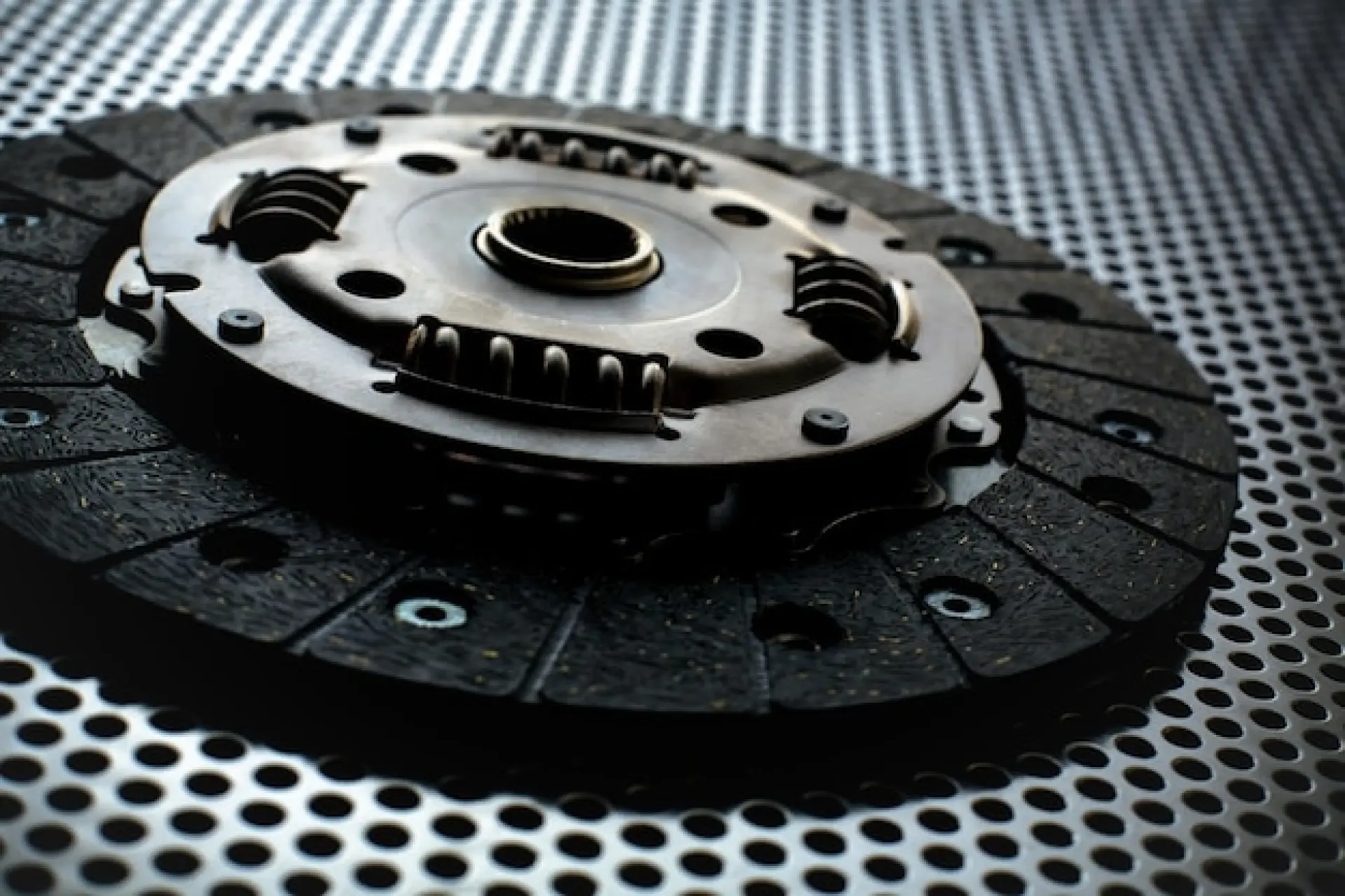
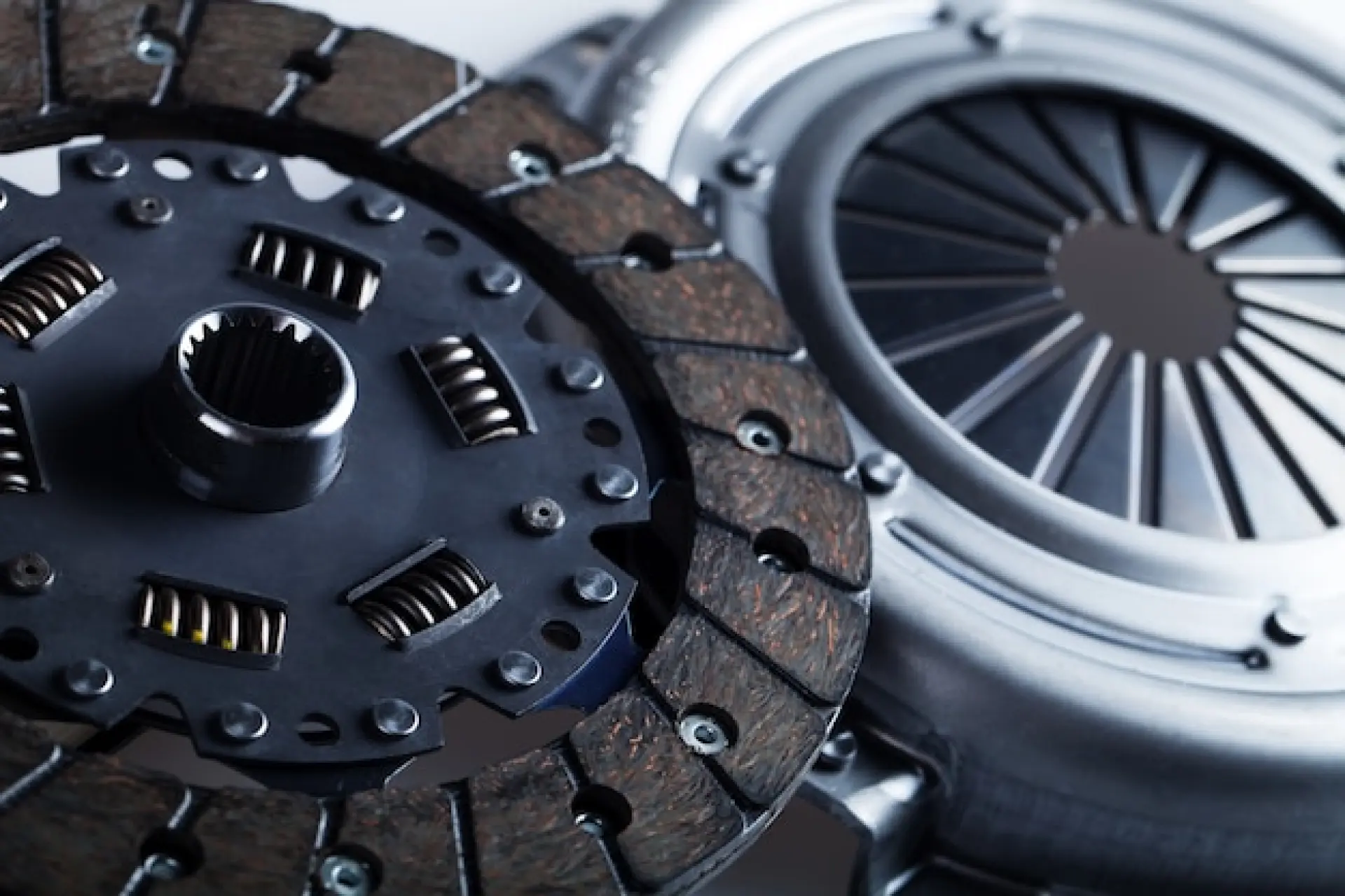
A clutch is the part of a vehicle that helps connect and disconnect the engine from the wheels. This allows you to change gears when you drive.
Most clutches can last a long time, but their lifespan depends on many things. On average, you might expect a clutch to work well for around 80,000 to 100,000 miles. However, this number can change based on how you drive and the type of roads you travel on.
One reason clutches can wear out faster is heavy use. If you often drive in big cities, you might press the clutch pedal more often when stopping and starting. This can make the clutch wear down quickly. Meanwhile, people who mostly drive on open roads without much traffic may find their clutch lasts longer.
The clutch’s life can also depend on how well you look after your vehicle. If you get it checked by a mechanic often and replace any worn-out parts, the clutch might stay in good condition for a longer time. Different car brands and models may also have different clutch designs that affect how long they last.
Remember, these numbers are only an average. By paying attention to any signs of trouble and being gentle with your clutch, you can help keep it going for many miles.
Factors That Affect Clutch Longevity
Type of Vehicle
Some vehicles have stronger clutch parts than others. For example, a large truck meant for heavy loads may have a clutch designed to handle more stress. A small family car, on the other hand, might have a lighter clutch. If the clutch is built for tougher jobs, it may have a longer life. Still, every clutch will wear out over time.
Quality of Clutch Parts
Not all clutches are made the same. Higher-quality clutch kits often use better materials that resist wear for a longer period. When replacing a clutch, choosing good parts can make a big difference in how long it lasts. Sometimes, cheaper parts might save you money at first but end up wearing out faster.
Maintenance and Servicing
Regular check-ups can help you spot clutch problems before they become too big. If you notice the clutch pedal feels stiff or makes strange noises, an early visit to a mechanic can prevent further damage. Simple actions, like getting the clutch adjusted or replacing fluid when needed, can keep things running smoothly and extend the clutch’s lifespan.
Driving Environment
Your usual driving environment also affects how quickly the clutch wears down. If you drive mostly in stop-and-go traffic, you will press the clutch pedal many times. This extra use can shorten its life. On the other hand, driving on motorways or open roads means fewer stops, which can help the clutch last longer. Even the weather can play a small part. Very hot or very cold temperatures might put extra strain on the clutch system, causing more wear.
All these factors work together to decide how long your clutch will last. By understanding them, you can take care of your vehicle in ways that help your clutch stand the test of time.
Driving Habits and Their Impact on Clutch Wear
The way you drive can have a big impact on how quickly your clutch wears out. One common habit that can shorten a clutch’s life is resting your foot on the clutch pedal. Even if you press it only a little, it can cause the clutch to slip and wear down more quickly. Instead, it’s better to keep your foot off the pedal when you do not need to change gears.
Another habit to watch out for is riding the clutch in traffic. This happens when you half-press the clutch pedal while waiting to move forward. It can make the clutch surface rub too much and wear out faster. Instead, try using the handbrake or shifting to neutral when waiting for a long time.
How you shift gears also matters. If you shift smoothly and at the right time, it’s kinder to the clutch. But if you change gears very quickly or at high engine speeds, it can cause extra stress and wear on the clutch parts.
Remember to drive carefully on hills. Keeping the clutch halfway down to avoid rolling back may seem convenient, but it can also damage the clutch over time. By using good habits each day, you can help your clutch last longer and keep your vehicle running smoothly.
Signs Your Clutch Is Wearing Out
Knowing when your clutch might be getting old can help you avoid bigger problems later. One sign is when you feel the clutch pedal getting spongy or too soft. If it feels different from normal, you may need to have it looked at soon. Another sign is if the pedal vibrates when you press it. This could mean there is wear or damage to the clutch plate.
You might also notice that it becomes harder to change gears. If shifting feels clunky or if the gears grind a lot, it could be a clue that the clutch is no longer doing its job well. In some cases, a burning smell may come from the clutch area, especially if it is slipping too much.
A slipping clutch can also show up when you are trying to drive up a hill. If the engine revs loudly, but your vehicle does not speed up like it should, the clutch might be struggling to grip properly. This is a strong sign that the clutch is close to the end of its lifespan.
Paying attention to these signals can help you get repairs or replacements done before the clutch completely fails. If you spot any of these signs, it’s best to visit a mechanic as soon as you can.
How to Extend the Life of Your Clutch
Learn Good Pedal Control
One of the best ways to make your clutch last a long time is to practise careful pedal control. Avoid pressing down on the clutch unless you really need to change gear. If you keep your foot on the pedal even a little, it can make the clutch slip and wear out faster. Getting into the habit of resting your foot away from the clutch pedal can help extend its lifespan.
Shift Gears Gently
Fast, sudden gear changes can put a lot of strain on your clutch. Instead, change gears smoothly and try not to rev the engine too high before shifting. This way, the clutch does less work and experiences less wear. With a gentle touch, you’ll help keep all the clutch parts in good shape.
Avoid Riding the Clutch in Traffic
When you are stuck in traffic, it can be tempting to keep the clutch halfway down. While it might feel easier, it’s not good for the clutch. Instead, use the handbrake or shift into neutral if you’re waiting for a long time. This small change can add many miles to your clutch’s life.
Regular Maintenance Checks
Finally, remember to have your vehicle looked at by a mechanic for regular check-ups. Catching small problems early can save you from bigger troubles later. If you notice any strange noises or if the clutch pedal feels different, do not wait. Get it inspected right away so you can solve any issues before they cause major damage.
By following these simple steps, you can help your clutch last as long as possible. Caring for your clutch not only saves money on repairs, but it also keeps your vehicle safe and smooth to drive. Good habits and regular check-ups will go a long way in making sure your clutch serves you well for many miles to come.
If you need clutch repair services in Manchester, get in contact today. Our engineers specialise in clutch repairs for customers throughout Shaw, Oldham and Manchester.